
Blog · 2026-11-13
Basement Insulation: Rim Joists First, Walls Second, Regrets Never
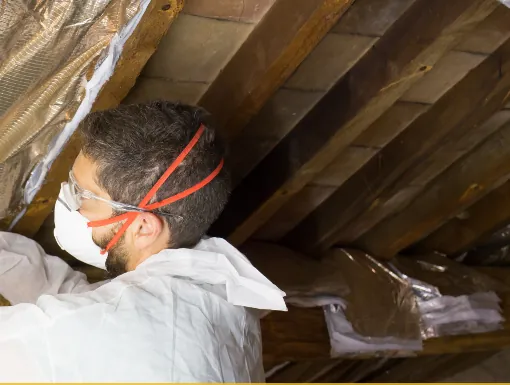
Stand in an unfinished Maryland basement in January and put your hand on the wall a foot below the ceiling. That cold band — the rim joist area, where the house's frame sits on the foundation — is one of the largest uncontrolled air leaks in the entire building, repeated around the whole perimeter. Basements get insulated in the wrong order all the time: walls first, rim forgotten. Here is the order that works.
The rim joist problem
The rim (or band) joist is a single thickness of lumber between your heated house and the outdoors, usually with a token scrap of fiberglass stuffed against it — a "solution" that lets air wash right past and condense on the cold wood all winter. The fixes are continuous and airtight: rigid foam board cut and foamed in place bay by bay, or closed-cell spray foam insulation applied directly, which seals and insulates in one pass and is what we recommend where the budget allows. Either way, the result is measurable the first cold night: less draft at the floor above, warmer pipes, and a basement that stops smelling like the outdoors.
Basement walls: inside the boundary
A basement wall is not a normal wall. It sits against soil that stays cool and damp year-round, so the assembly must tolerate moisture rather than pretend it away. The sound approach is continuous rigid foam or mineral wool against the concrete, then the framed wall inside it — never fiberglass batts pressed directly against foundation concrete behind plastic, the classic recipe for a hidden mold sandwich. Foam against the wall keeps the concrete warmer, moves the dew point out of the assembly, and gives a finished basement that feels like a room instead of a cellar with drywall. Our crawl space and basement insulation crews build it in that order and can show you the layers before anything is closed up.
What about the basement ceiling?
Insulating between the joists overhead makes sense in exactly one situation: you want the basement itself to stay outside the heated envelope — a genuinely unheated storage basement. For most homes, insulating the walls and rim and letting the basement join the house's thermal boundary is the better play: the ducts and plumbing down there stop fighting the cold, and the floor above warms up from both sides.
Sequence with finishing plans
If a finished basement is anywhere in your future, insulate first and frame after — retrofitting foam behind finished walls is demolition, not insulation. And handle any water entry before a single board goes up; insulation hides leaks politely until it cannot. Homeowners in Gaithersburg and across Montgomery County planning basement finishes call us at exactly this stage, which is the right stage.
For an honest look at your rim joists and walls — photographed, explained, priced in writing — call Eagle Insulation Services at (855) 640-0404.
Want us to look at your attic?
Book a free assessment — depth measured, leaks photographed, options in writing.