
Blog · 2026-11-13
Attic Ventilation and Insulation: The Partnership That Prevents Mold
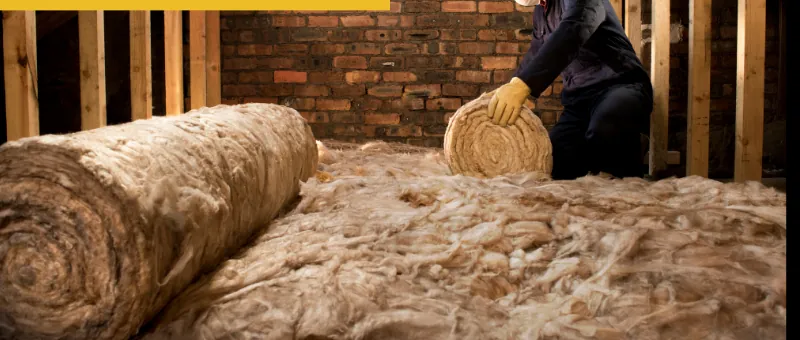
Homeowners usually meet attic ventilation as an afterthought — a line item, a whirring turbine, a roofer's remark. In truth the attic is a system with two halves: insulation manages heat, ventilation manages moisture and temperature at the roof deck, and each half fails without the other. Most of the attic disasters we are called to fix — moldy roof decks, rotted sheathing, insulation that died young — are partnership failures, not material failures.
What ventilation is actually for
A vented attic is designed to stay close to outdoor temperature. In winter, that cold, moving air carries away the moisture that sneaks up from the living space before it can condense on the cold roof deck — the attic equivalent of exhaling. In summer, it flushes superheated air so the ceiling below carries less load. The moisture job is the critical one: a family generates gallons of water vapor a day, and the share that leaks through the ceiling has to go somewhere.
The intended airflow path
Air should enter low, at the soffits, travel up along the underside of the roof deck, and exit high, at a ridge vent or equivalent. Two details make or break it. First, baffles: the channels at each rafter bay that keep insulation from choking the soffit intake — the single most common defect we find is blown insulation drifted over the soffits, sealing the attic's mouth shut. Second, balance: big exhaust with no intake just pulls conditioned air out of the house through ceiling leaks, which is why a powerful attic fan on a leaky ceiling can raise bills while "ventilating" beautifully.
Where insulation fits — and the order of operations
The sequence never changes: air sealing first to cut the moisture (and heat) supply at the ceiling, baffles confirmed at every bay, then attic insulation to depth, kept back from the soffit vents so intake stays open. Ventilation is not a substitute for sealing — it handles the moisture that remains, not the flood a leaky ceiling delivers. And if your attic is being converted to a sealed, conditioned design with spray foam insulation at the roofline, the vents are deliberately closed and the whole logic changes — a legitimate design, but a different one, never a mix of both.
Signs the partnership has broken down
Frost or dark staining on the underside of the roof deck in winter. A musty smell in the attic that greets you at the hatch. Insulation that looks damp, crusted or dirty in streaks. Ice dams on the eaves — the winter symptom we cover in depth in our ice dam guide. Any of these earns an attic inspection before new material is discussed.
Our free assessments check the baffles and soffits with the same care as the depth readings, and photograph all of it. Call Eagle Insulation Services at (855) 640-0404 — from Bowie to Frederick, the line is answered 24/7.
Want us to look at your attic?
Book a free assessment — depth measured, leaks photographed, options in writing.