
Blog · 2026-11-13
When Old Insulation Has to Come Out: 6 Findings That End the Top-Up Talk
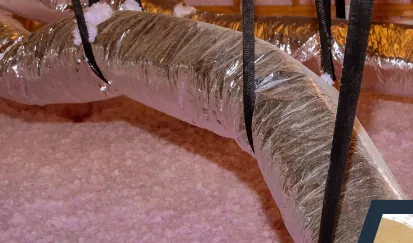
Our default advice is conservative: if the insulation you have is clean, dry and reasonably even, keep it and add depth on top. Removal costs money and should never be sold on a whim. But there are findings that change the math completely — conditions where new material layered over old just seals a problem into your attic and bills you for the privilege.
1. Water damage and mold
Insulation that has been wet — from a roof leak, a plumbing drip or years of condensation — mats down, loses its R-value and can harbor mold growth against the ceiling drywall. Drying in place rarely restores it. Stained, crusted or musty material comes out, the leak source gets fixed, and only then does new insulation go in.
2. Animal contamination
Raccoons, squirrels and mice treat attic insulation as a furnished apartment. Droppings and urine-soaked material are a sanitation problem, not an insulation problem, and no top-up should bury it. Removal with proper protective equipment, disinfection of the attic floor, and sealing the entry points are all part of the same job — skip the entry sealing and you are scheduling the sequel.
3. Fire or smoke damage
After even a small house fire, insulation holds smoke odor and soot deep in its fibers, far beyond the rooms that burned. Insurance work routinely specifies removal for exactly this reason: the smell otherwise outlives the renovation.
4. Vermiculite and other suspect legacy materials
Some older homes carry vermiculite loose-fill, recognizable as small gray-brown pebbles — a portion of historical vermiculite was contaminated with asbestos. The rule is absolute: do not disturb it, do not let anyone blow new material over it casually, and get it tested. If it is positive, removal is a specialist abatement job and we will say so plainly rather than touch it. Very old homes occasionally hold other oddities — sawdust, newspaper, even horsehair — that perform poorly and behave unpredictably around wiring.
5. Severe compression and displacement
Decades of stored lumber, HVAC work and foot traffic can leave an attic where half the material is piled in drifts and half the ceiling is bare. Trying to even that out is slower and worse than starting clean — and a clean attic floor is the only way to do the air sealing work properly, since every leak you seal will be buried the moment new material lands.
6. A planned rewire or renovation
If electricians or remodelers are about to work above the ceiling, removal first saves everyone: the trades get access, the sealing gets done, and fresh blown-in insulation finishes the job at the right depth.
What removal day actually looks like
Our insulation removal and replacement crews vacuum loose-fill out through a hose to a sealed truck bag, roll and bag batts by hand, protect the living space below, and leave the attic floor bare, inspected and ready for sealing. Homeowners are often surprised how fast it goes — and how much the house smells better the same evening. If your attic holds any of the six findings above, call (855) 640-0404 for an assessment with photos before anyone quotes you a top-up.
Want us to look at your attic?
Book a free assessment — depth measured, leaks photographed, options in writing.